I'm typing from the airport reflecting on time spent this week in Colorado with the Midwinter Conference. As a pastor I am a part of a bigger movement of people collectively called the
Evangelical Covenant Church,It's an annual conference where we all gather in one place to hang out, encourage each other, wrestle through current issues, and learn.

It was a good week. I missed my family incredibly, but had so much fun
skyping with them almost daily. Technology is amazing!

Here's a pic of them, above, participating in our worship gathering from Co from the comfort of our home in Ca! Isn't that so cool that we could do that!
Had great times of tweeting
incessantly, drinking coffee, reading,
journaling,

and applying much
chapstick--the CO wind did me in for two straight days. I looked like I had lip gloss on, my lips were so shiny. (Yes that is Covenant
Chapstick. Actually is
Compassion, Mercy, and Justice chapstick). So, there were days when I had a hard ime smiling cause my lips hurt so bad, but hey, it was worth it.
I also sat with many pastors chewing on issues of the church, transition into adulthood, and what it means to be REBORN! I loved it.

Especially great was being able to sit with fellow pastors serving young adults and to talk about what God is doing and how best we can equip this generation for maturity in Christ and living the mission of God passionately.
I got to hang with one of my best buddies in the world, Matt Nightingale. Former PCC staff member for eight years, we are still connected and I love it. One night were walking down the trendy streets of downtown Denver (totally cool to hang there), and we heard screaming
tweens. Come to find out Nick Jonas was playing a block from our hotel. Hilarious.

Matt and I roomed together, laughed all night long, talked about theology, marriage, Pop Culture, prayed, and
podcasted together (
stay tuned for those). You really should
read his blog as he's a better writer and more consistent than I am. He shared his experience there.
Huge bonuses of the week were 1-that I got to see two movies (ON THE SAME DAY!) Since I had three days of no breaks and lots of mind-work, I needed to decompress. So I saw
Daybreakers (Beware! I don't watch horror flicks, but there is some major blood in this movie--It's a vampire movie so it's to be expected-but it was a great story with some huge themes of redemption, and tons of Anthropology issues--even a resurrection moment that is undeniable) &
The Book of Eli--Hugely recommend this flick if you can handle apocalyptic films. There is an obvious work of God in that film. Second bonus was that I got a ton of free books!
Woot!

And another highlight was that I go to make a new pal! I had an instant connection with
this dude: Gilbert-a Sacramento local, Covie pastor. I felt like a tween myself with how much we were texting and tweeting. Loved it. I also saw many people from the past, (and unfortunately said way too many times "We should do lunch," that never came to fruition. So much going on and not enough time). Got some lovin & schmoozing from fellow covies, and a great German lunch from John "
Octothorp" Boyd, were I learned a ton about social media. Totally dug that time. Also wanted to shout out to Neil, Angie, Casey, Tara, Marti, Judy, Tim, and Dane-who I had significant 5-10 minute convos with that highlighted my time. I also come away with a great appreciation for the leaders of our denomination, while growing my love for my own PCC church family. On a personal note, I got to connect with old buddies, Erik
Strom,
Hefti Brunold, and Jake Horn (not pictured). Very thankful to share some times over food and coffee. And another important reconnection was with my friend pictured below:
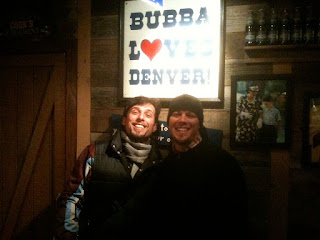
This is Justin, aka "Sandpaper." I was in Justin's wedding 11 years ago. I was glad to have some time to remember friendship requires saying hard things.
Proverbs 27 says both that wounds from a friend can be trusted and we are to sharpen each other like iron. Justin did that.
I'm on my way home. Full, a bit tired, but thankful for what God showed me and did in me. I was loved on by him, reminded that I am a mess, and grateful that he accepts me. So now, to take some time off to rest and be present, fully present with my family. I will be shutting down the computer and turning the cell phone off for a bit!


 The HS chaplain said these students have raise almost $5000 for the issue.


